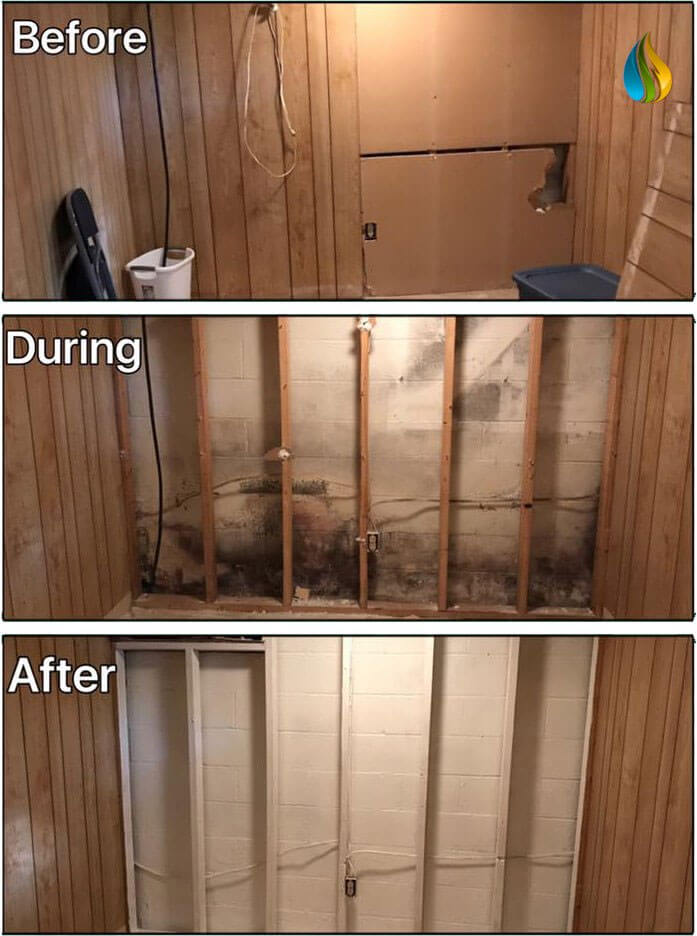
Post-Remediation Verification in Fort Lauderdale: Expert Advice for Homeowners
After mold remediation is complete, many Fort Lauderdale homeowners believe the problem is fully resolved. However, post-remediation verification (PRV) is a critical step in ensuring that all mold has been effectively removed, moisture sources are controlled, and indoor air quality is safe. Without PRV, hidden contamination can persist, leading to recurring mold growth, health issues, and structural damage.
As South Florida–based mold inspection and indoor air quality professionals with QualityAir Mold Inspection & Testing, we have extensive experience guiding homeowners through the post-remediation verification process. This comprehensive guide explains what PRV involves, why it’s essential, methods used, and steps homeowners should take to protect their property and family.
Understanding Post-Remediation Verification
Post-remediation verification is the professional process of assessing a property after mold removal to confirm that:
- All visible and hidden mold has been eliminated
- Moisture sources contributing to mold growth are controlled
- Indoor air quality meets safe standards
PRV differs from a general inspection because it specifically evaluates the effectiveness of remediation, not just the presence of mold. This step is often required by insurance companies, real estate transactions, or home safety protocols.
Why PRV Is Essential in Fort Lauderdale Homes
Fort Lauderdale’s hot, humid climate, frequent storms, and aging housing stock create conditions where mold can recur if remediation is incomplete. PRV is essential because:
1. Confirms Remediation Success
- Ensures that professional mold remediation removed both visible and hidden mold.
- Prevents recurrence due to overlooked areas, such as behind drywall, under flooring, or inside HVAC systems.
2. Validates Moisture Control
- PRV evaluates whether underlying moisture issues have been resolved.
- Drying, ventilation, and waterproofing efforts are assessed to prevent future growth.
3. Protects Indoor Air Quality
- Spore counts in the air are measured to ensure that indoor air is safe for residents.
- Confirms that mold spores are no longer circulating throughout the home.
4. Protects Health and Property Value
- Recurring mold can cause respiratory problems, allergies, and asthma exacerbation.
- Homes with unresolved mold issues may lose market value or face insurance complications.
Common Situations Requiring PRV
Homeowners in Fort Lauderdale often require post-remediation verification after:
- Water damage from storm flooding or plumbing leaks
- Mold removal from bathrooms, crawl spaces, attics, or HVAC systems
- Renovation or construction in areas with prior mold issues
- Real estate transactions where buyers need confirmation of mold clearance
Steps in the Post-Remediation Verification Process
Professional PRV is a structured process that includes the following steps:
Step 1: Visual Inspection
- Inspect the entire property for residual mold, water stains, or discoloration.
- Examine areas where mold commonly recurs: bathrooms, attics, crawl spaces, HVAC ducts, and behind walls.
Step 2: Moisture Assessment
- Use moisture meters and hygrometers to measure water content in building materials and indoor humidity.
- Ensures that moisture levels are within safe ranges and that the home is adequately dried.
Step 3: Air Sampling
- Collect air samples to quantify mold spores in living areas.
- Compare pre-remediation and post-remediation spore counts to verify effective mold removal.
- Helps detect hidden contamination in areas not visible during cleaning.
Step 4: Surface Sampling
- Swab surfaces in affected areas, including walls, ceilings, HVAC components, and crawl spaces.
- Confirms that mold colonies have been eliminated and that surfaces are safe.
Step 5: Verification Against Standards
- Results are measured against industry standards such as those from the Indoor Air Quality Association (IAQA) or the Environmental Protection Agency (EPA).
- Ensures consistency, safety, and compliance with best practices.
Step 6: Documentation and Reporting
- PRV includes a detailed report with:
- Areas inspected
- Sampling results
- Moisture readings
- Confirmation of remediation success
- Recommendations for ongoing maintenance
This report is often required for insurance claims, real estate transactions, or future home inspections.
Common Challenges During PRV
- Hidden Moisture
- Water can remain trapped behind walls, under flooring, or in HVAC ducts, causing mold to regrow.
- Thermal imaging and moisture meters help identify these hidden areas.
- Incomplete Remediation
- Mold may persist in overlooked spaces, especially in crawl spaces or attics.
- PRV ensures all areas are checked, not just visible surfaces.
- Environmental Factors
- Fort Lauderdale’s humidity can increase moisture levels post-remediation.
- Proper ventilation, dehumidification, and sealing are critical to prevent reoccurrence.
Tips for Homeowners Before and After PRV
Before PRV
- Ensure that remediation is fully complete and all contaminated materials have been removed.
- Keep the home closed off from moisture sources, including leaks, standing water, or excessive humidity.
- Document all remediation steps, including photographs, receipts, and contractor reports.
During PRV
- Provide access to all previously affected areas, including crawl spaces, attics, bathrooms, and HVAC systems.
- Ask the inspector to explain testing methods and results for transparency.
- Request a comprehensive report detailing findings, clearance status, and recommendations.
After PRV
- Follow any additional recommendations, such as further drying, ventilation improvements, or surface treatments.
- Monitor humidity and moisture levels to prevent future mold growth.
- Schedule periodic inspections, especially after storms or plumbing repairs.
Real-Life PRV Scenarios in Fort Lauderdale
Case 1: Post-Storm Attic Mold
- A heavy storm caused roof leaks, leading to attic mold growth.
- Remediation included insulation replacement and antimicrobial cleaning.
- PRV confirmed no residual mold and moisture levels were safe, ensuring the attic was structurally sound.
Case 2: Bathroom Mold Remediation
- Persistent bathroom mold was treated with antimicrobial cleaning and drywall replacement.
- PRV verified that spore counts were normal, surfaces were free of mold, and humidity was controlled.
Case 3: HVAC System Mold
- Mold developed inside an HVAC system due to condensation.
- Ducts were professionally cleaned, and PRV sampling confirmed clearance, preventing mold spores from recirculating.
Preventive Measures Post-Remediation
- Control Humidity
- Keep indoor relative humidity between 40–55% using dehumidifiers or HVAC systems.
- Maintain Ventilation
- Ensure bathrooms, kitchens, and attics are ventilated to reduce moisture buildup.
- Monitor for Leaks
- Regularly check plumbing, roofs, and HVAC systems for water intrusion.
- Regular PRV Checks
- Schedule periodic inspections, particularly after heavy rains or storms, to detect hidden moisture early.
- Maintain Documentation
- Keep PRV reports for insurance claims, real estate transactions, and long-term home maintenance.
Common Mistakes Homeowners Make
- Skipping PRV after remediation
- Ignoring subtle signs of moisture or mold recurrence
- Attempting DIY verification without proper equipment or expertise
- Failing to control indoor humidity post-remediation
- Neglecting follow-up inspections and maintenance
Final Thoughts
Post-remediation verification is an essential step for ensuring a home is truly mold-free. In Fort Lauderdale, where humidity, storms, and aging infrastructure increase mold risk, PRV protects health, indoor air quality, structural integrity, and property value.
QualityAir Mold Inspection & Testing provides expert post-remediation verification, moisture assessment, and guidance for Fort Lauderdale homeowners. By completing PRV, residents can ensure their home is safe, fully remediated, and protected against future mold problems.