Moisture Detection in Fort Lauderdale: Step‑by‑Step Process Explained
Fort Lauderdale, Florida, is renowned for its beautiful waterways, tropical climate, and frequent rainfall. While these environmental factors make the city attractive, they also create ideal conditions for moisture-related problems in homes and commercial properties. Moisture intrusion can lead to mold growth, structural damage, and decreased indoor air quality. Detecting and addressing moisture early is critical to protecting both property and health.
This article explains the importance of moisture detection, common sources of moisture, and a step-by-step process professionals use to identify, assess, and prevent moisture problems. It also highlights best practices for property owners to maintain a safe, dry environment.
Understanding the Importance of Moisture Detection
Moisture is one of the primary causes of property deterioration in Fort Lauderdale homes. When left unaddressed, excess moisture can:
- Promote mold and mildew growth, which can compromise health and indoor air quality
- Damage structural components, including wood framing, drywall, flooring, and insulation
- Lead to pest infestations, as insects and rodents are attracted to damp areas
- Increase remediation and repair costs if problems become severe
Moisture is often hidden, seeping behind walls, under flooring, or into crawl spaces, which makes early detection essential.
Common Sources of Moisture in Fort Lauderdale Properties
Understanding the sources of moisture helps homeowners and professionals detect and prevent issues effectively:
1. Roof Leaks
Heavy rainstorms can damage roofing materials, flashing, and seals. Even minor leaks allow water to enter attics and ceilings, creating moisture pockets.
2. Plumbing Issues
Leaking pipes, faucets, or water heaters introduce moisture into walls, floors, and cabinets. Slow leaks often go unnoticed until significant damage occurs.
3. Flooding and Storm Damage
Fort Lauderdale is prone to heavy rainfall and occasional tropical storms. Flooded areas and improperly dried spaces create ideal conditions for mold and wood rot.
4. High Humidity
Tropical humidity often exceeds 70%, allowing moisture to condense on cold surfaces, including windows, pipes, and air-conditioned walls.
5. Poor Ventilation
Bathrooms, kitchens, attics, and crawl spaces without proper ventilation trap humid air, preventing surfaces from drying.
6. Condensation
Temperature differences between cooled indoor air and warm surfaces can cause water to condense, especially in poorly insulated areas.
Step-by-Step Moisture Detection Process
Professional moisture detection is a systematic process designed to identify sources of water, hidden damage, and potential mold growth. Here’s how it is done:
Step 1: Initial Consultation
- Homeowners report observed signs of moisture, such as musty odors, water stains, peeling paint, or visible mold.
- Inspectors collect information about the property’s history, past leaks, and previous water damage.
- This step helps prioritize areas for investigation.
Step 2: Visual Inspection
- Inspectors examine high-risk areas: attics, crawl spaces, basements, bathrooms, kitchens, and HVAC systems.
- Look for visible indicators of moisture:
- Water stains on ceilings or walls
- Peeling paint or wallpaper
- Warped or discolored flooring
- Visible mold growth
- Inspectors also check for improper grading, gutter issues, or exterior leaks.
Step 3: Moisture Mapping
- Moisture meters measure moisture levels in walls, ceilings, wood, and flooring.
- Hygrometers monitor relative humidity, helping identify areas where moisture may condense.
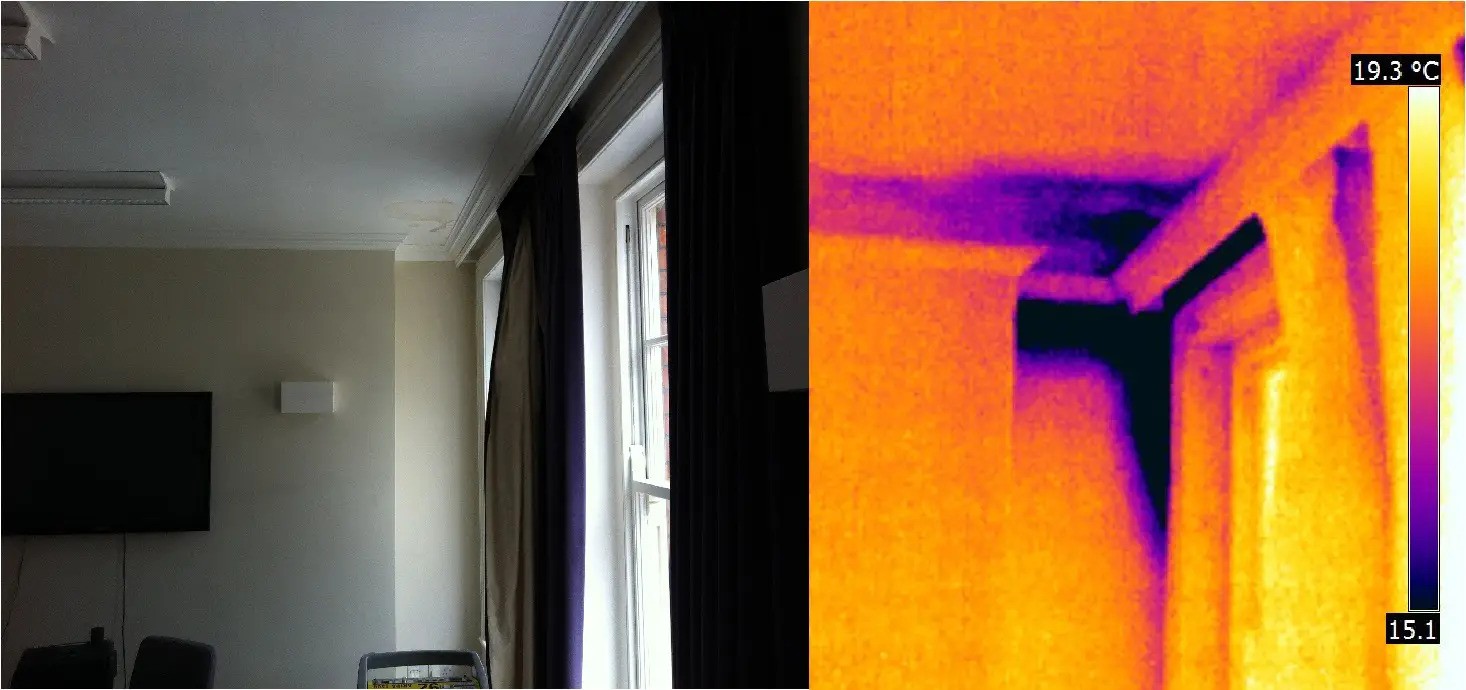
- Infrared thermal imaging cameras detect hidden water behind walls or under floors by identifying temperature differences caused by moisture.
Step 4: Sampling and Analysis (if necessary)
- Air and surface samples may be collected to identify mold spores or bacterial growth associated with moisture.
- Laboratory analysis confirms the presence of moisture-related microbial contamination and assesses potential health risks.
Step 5: Identifying the Source
- Inspectors trace moisture to its source, which may include:
- Plumbing leaks
- Roof or window leaks
- HVAC condensation or leaks
- Flooding or storm damage
- Proper source identification ensures effective remediation and prevention.
Step 6: Reporting
- A detailed report includes:
- Areas affected by moisture
- Moisture readings and humidity levels
- Visible damage and hidden risks
- Recommendations for remediation and prevention
Step 7: Remediation and Prevention Recommendations
Depending on the findings, professionals may recommend:
- Repairing leaks: Roof repairs, plumbing fixes, or sealing windows and doors.
- Improving ventilation: Installing exhaust fans or improving airflow in attics, bathrooms, and crawl spaces.
- Installing dehumidifiers: Particularly in basements, crawl spaces, and high-humidity areas.
- Replacing damaged materials: Moldy insulation, rotting wood, or water-damaged drywall may need removal and replacement.
- Monitoring moisture levels: Using hygrometers and moisture meters to ensure conditions remain safe.
- Professional mold remediation: If mold is present, containment, HEPA filtration, and antimicrobial treatments are required.
Common Mistakes Homeowners Make Regarding Moisture
- Ignoring minor leaks: Small drips can lead to significant hidden damage over time.
- DIY detection only: Relying on visible signs alone often misses hidden moisture behind walls or under floors.
- Neglecting ventilation: Without proper airflow, moisture accumulates and causes recurring problems.
- Using bleach for mold cleanup without addressing moisture: Bleach may remove surface mold but does not fix the underlying moisture source.
- Failing to inspect after storms: Heavy rains and flooding often create hidden water intrusion that goes unnoticed.
Preventive Measures for Homeowners in Fort Lauderdale
Preventing moisture problems requires proactive maintenance:
1. Regular Inspections
- Check for leaks, water stains, peeling paint, and warped surfaces.
- Inspect crawl spaces, attics, and basements for standing water or excessive humidity.
2. Control Indoor Humidity
- Maintain indoor relative humidity below 50% using air conditioning or dehumidifiers.
- Monitor humidity in high-risk areas with a hygrometer.
3. Maintain Roofing and Plumbing
- Inspect roofs for damaged shingles or flashing.
- Check gutters and downspouts for clogs or leaks.
- Repair leaking pipes, faucets, and water heaters promptly.
4. Improve Ventilation
- Use exhaust fans in bathrooms and kitchens.
- Vent attics and crawl spaces properly.
- Open windows when weather permits to reduce humidity indoors.
5. Seal Vulnerable Areas
- Apply water-resistant sealants in bathrooms, kitchens, and around windows.
- Install vapor barriers in crawl spaces and basements.
6. Professional Maintenance
- Schedule regular inspections and HVAC maintenance.
- Use professional moisture detection services to catch hidden problems early.
Health Implications of Moisture Problems
Moisture intrusion can lead to mold growth, which poses health risks:
- Allergies: sneezing, runny nose, itchy eyes
- Respiratory problems: coughing, wheezing, asthma flare-ups
- Chronic fatigue, headaches, and skin irritation
- Greater risk for individuals with compromised immune systems
Early moisture detection and remediation not only protect property but also protect occupants’ health.
Real-Life Examples in Fort Lauderdale
Case 1: Hidden Plumbing Leak
- Homeowner noticed water stains under kitchen cabinets.
- Moisture detection revealed a slow leak from a water line behind the wall.
- Solution: Leak repaired, drywall removed and replaced, affected area dried with industrial dehumidifiers.
Case 2: Attic Condensation
- Persistent damp smell in the attic prompted inspection.
- Infrared imaging detected condensation on insulation due to poor ventilation.
- Solution: Installed additional vents and a dehumidifier; insulation replaced where mold had begun to grow.
Case 3: Crawl Space Flooding
- Heavy rainfall caused minor flooding in a crawl space.
- Moisture meters confirmed high levels in wooden joists and flooring.
- Solution: Water removed, joists dried, and a vapor barrier installed. Preventive monitoring ensured moisture did not return.
Conclusion
Moisture detection in Fort Lauderdale is essential for maintaining safe, healthy, and structurally sound properties. The city’s humid, tropical climate increases the risk of water intrusion, condensation, and hidden dampness. Professional moisture detection follows a step-by-step process, including visual inspection, moisture mapping, sampling, source identification, and reporting.
By understanding common sources of moisture, recognizing early warning signs, and taking preventive measures such as proper ventilation, leak repairs, and humidity control, homeowners can protect their properties from mold, structural damage, and health hazards. Regular inspections and professional guidance ensure that hidden moisture is detected early, minimizing damage and keeping your home safe for years to come.