Indoor Air Quality Testing in Fort Lauderdale: Risks and Prevention Methods
In Fort Lauderdale, indoor air quality problems are far more common than many homeowners realize. A home can look spotless, feel cool, and still have air quality issues developing quietly behind walls, inside HVAC systems, or above ceilings. Musty odors, lingering humidity, or air that never feels truly fresh are often early signs that something isn’t right.
From real inspections performed throughout Fort Lauderdale, indoor air quality testing is most often requested when homeowners sense a problem but can’t pinpoint the cause. Understanding the real risks tied to poor indoor air quality—and the prevention methods that actually work in South Florida—helps protect both property value and long-term indoor comfort.
A common Fort Lauderdale homeowner scenario
A homeowner notices a musty smell that seems strongest when the AC turns on, especially after heavy rain. Filters are replaced, vents are cleaned, and the system appears to be working properly. The odor improves briefly, then returns.
During inspection and indoor air quality testing, indoor air samples show elevated mold-related particles compared to outdoor air. Moisture readings reveal damp drywall near a return vent and condensation issues around the air handler. The air quality issue wasn’t random—it was directly tied to hidden moisture and HVAC behavior.
This scenario is extremely common in Fort Lauderdale homes.
What indoor air quality testing actually evaluates
Indoor air quality testing focuses on what’s present in the air—not just what’s visible on surfaces.
Testing is designed to:
- Evaluate mold-related particles in indoor air
- Compare indoor air to outdoor air conditions
- Identify patterns that suggest hidden moisture or microbial activity
Testing does not locate leaks, diagnose health conditions, or fix problems on its own. Instead, it provides data that supports inspection findings and helps determine whether indoor air is being affected by building conditions.
When used properly, indoor air quality testing adds clarity—not confusion.
Why indoor air quality risks are high in Fort Lauderdale
Fort Lauderdale’s climate places constant pressure on indoor environments.
High humidity is present year-round. Heavy rain, storms, and occasional flooding introduce moisture frequently. Air conditioning systems run almost nonstop, circulating air throughout the home while masking underlying moisture issues.
When moisture enters walls, ceilings, floors, or HVAC components, it doesn’t always cause visible damage right away. Instead, it slowly affects indoor air quality—often before homeowners realize anything is wrong.
Homes with older HVAC systems, attic ductwork, or limited ventilation are especially vulnerable.
Common risks associated with poor indoor air quality
From inspections across Fort Lauderdale, several indoor air quality risks appear repeatedly.
Hidden moisture is the most common contributor. Moisture behind drywall, under flooring, or above ceilings supports microbial activity that affects air long before mold becomes visible.
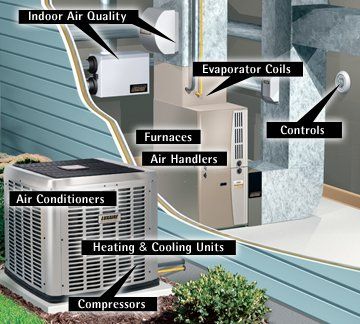
HVAC-related moisture is another major factor. Clogged drain lines, dirty evaporator coils, poor airflow, or condensation near air handlers and ducts can introduce moisture directly into circulating air.
Poor ventilation allows humidity and airborne particles to linger—especially in bathrooms, kitchens, and laundry areas.
Past water damage that was never fully dried often continues to impact air quality long after repairs appear complete.
In most cases, indoor air quality problems are the result of multiple factors working together.
Early warning signs homeowners often overlook
Indoor air quality issues usually develop gradually.
Musty or earthy odors that come and go are often the first sign—especially when the AC starts or after storms.
Rooms that feel stale or humid even when the AC is running properly often indicate airflow or moisture problems.
Certain rooms smelling worse than others frequently point to localized moisture or duct-related issues.
Odors or discomfort that worsen after rainy weather are another important clue.
Ignoring these early signs allows conditions to persist quietly.
How indoor air quality testing is performed
Indoor air quality testing should always be guided by inspection findings.
Air samples are collected from targeted indoor areas—typically where odors are strongest, moisture was detected, or HVAC involvement is suspected. An outdoor control sample is collected at the same time.
The indoor-to-outdoor comparison is critical in South Florida, where outdoor air naturally contains mold-related particles year-round.
Sampling locations are chosen based on:
- Moisture readings
- HVAC layout and airflow
- Building design
- Occupant concerns
Random or untargeted testing often leads to misleading results.
What indoor air quality test results actually tell you
Test results don’t label a home as “safe” or “unsafe.”
Instead, results show whether indoor air conditions are similar to outdoor conditions or elevated in a way that suggests an indoor source.
Elevated indoor results usually point back to moisture issues—not just airborne particles. Correcting moisture is what improves air quality long-term.
Normal results don’t always mean there’s no issue. Moisture can exist without significantly affecting air yet, which is why inspection remains essential.
Why indoor air quality problems feel like whole-house issues
Air moves continuously through a home.
When moisture or mold-related particles enter the air—often through HVAC systems—they circulate throughout the house. This makes air quality problems feel widespread even when the source is localized.
This is why cleaning one room or replacing filters rarely solves the issue if underlying moisture remains.
Mold inspection, testing, and air quality explained
A professional mold inspection evaluates moisture conditions, visible mold, and how building systems influence indoor air. Indoor air quality testing is often part of this process when air concerns exist.
Mold testing and indoor air quality testing provide supporting data when mold is suspected but not visible, odors persist, or documentation is required for real estate or rental situations.
When mold is confirmed, mold removal and remediation address affected materials and correct moisture sources identified during inspection. Indoor air quality improves when moisture is properly controlled.
Testing helps guide decisions—it does not resolve air quality problems on its own.
Common homeowner mistakes that increase air quality risks
Several common mistakes make indoor air quality problems worse.
Relying solely on air purifiers or deodorizers masks symptoms without addressing moisture.
Testing without inspection often creates unnecessary concern or false reassurance.
Ignoring HVAC systems as a potential source is another frequent oversight.
Repainting or renovating without resolving moisture can trap problems inside the structure and worsen air quality over time.
Practical prevention methods that actually work
Effective air quality prevention focuses on moisture control and airflow.
Address plumbing leaks promptly and verify drying before closing walls or cabinets.
Maintain HVAC systems regularly, including drain lines, coils, airflow, and insulation.
Use exhaust fans consistently in bathrooms, kitchens, and laundry areas—and ensure they vent outdoors.
Monitor humidity levels and investigate areas that consistently feel damp or stale.
After storms or water events, assume moisture traveled beyond what you can see and verify conditions before repairs.
A professional insight many homeowners don’t expect
One insight that surprises many Fort Lauderdale homeowners is how often indoor air quality improves dramatically once moisture issues are corrected—without aggressive cleaning or treatments.
In many cases, air quality problems are symptoms, not standalone issues. Fix the moisture, and the air follows.
This is why experienced inspectors focus on building behavior rather than just test numbers.
Why local Fort Lauderdale experience matters
Indoor air quality behaves differently in South Florida than in cooler or drier regions.
Fort Lauderdale homes face unique challenges related to humidity, storm exposure, attic conditions, and near-constant AC use. Inspectors with local experience understand where air quality problems typically originate and how to interpret test results accurately.
At QualityAir Mold Inspection & Testing, our experience inspecting homes throughout Fort Lauderdale and nearby Broward County communities allows us to evaluate indoor air quality concerns realistically and responsibly.
If you’re concerned about indoor air conditions, starting with a professional mold inspection is often the right first step. In some cases, mold testing and indoor air quality testing provide helpful clarity. When mold is present, informed mold removal and remediation guided by inspection findings leads to better long-term outcomes.
For property-specific guidance, reaching out through our Contact Us page is a practical next step.
Clear guidance moving forward
Indoor air quality problems in Fort Lauderdale rarely appear overnight—and they don’t resolve on their own.
By understanding real local risks, recognizing early warning signs, and using indoor air quality testing as part of a comprehensive inspection process, homeowners can improve indoor conditions, protect their property, and prevent small air quality issues from becoming long-term problems.