Indoor Air Quality Testing in Fort Lauderdale: How to Prevent Future Damage
When the Air Feels Off — Even If Nothing Looks Wrong
A Fort Lauderdale homeowner recently scheduled indoor air quality testing after noticing persistent musty odors in the evenings. There were no ceiling stains. No visible mold patches. The home had never flooded.
Still, something didn’t feel right.
In coastal Broward County, indoor air quality concerns are often connected to moisture — even when visible damage is absent. Fort Lauderdale’s high humidity, heavy storm cycles, and nearly constant air conditioning create environmental pressure that can slowly affect indoor air.
Indoor air quality (IAQ) testing provides measurable data. But testing alone does not prevent future damage. Prevention begins with understanding what affects air quality in South Florida homes.
Why Indoor Air Quality Concerns Are Common in Fort Lauderdale
Fort Lauderdale properties face unique environmental challenges:
- High year-round humidity
- Coastal salt-air exposure
- Heavy seasonal rainfall
- Hurricane-related wind-driven rain
- Slab-on-grade foundations
- Continuous HVAC operation
In humid coastal climates, moisture lingers longer. Even small imbalances in ventilation or HVAC performance can influence indoor air conditions.
IAQ testing often reveals environmental patterns — not dramatic contamination events.
Understanding those patterns helps prevent long-term damage.
What Indoor Air Quality Testing Measures
Professional indoor air quality testing in Fort Lauderdale may include:
- Airborne mold spore levels
- Indoor humidity levels
- Temperature balance
- Particulate levels
- Comparison to outdoor baseline samples
Because outdoor mold spores are naturally present in South Florida, test results must always be interpreted relative to outdoor air.
Testing identifies imbalance — not simply presence.
Mold spores exist everywhere. Elevated indoor concentrations relative to outdoor levels are what matter.
Why Moisture Is the Foundation of IAQ Problems
Indoor air quality issues in Fort Lauderdale are frequently moisture-driven.
Common moisture sources include:
- HVAC condensation
- Roof vulnerabilities after storms
- Plumbing leaks
- Elevated indoor humidity
- Poor attic ventilation
When moisture persists longer than 24–48 hours, materials begin retaining dampness.
Damp drywall, insulation, or air handler components can release spores into circulating air.
IAQ testing often confirms what moisture inspection reveals.
Preventing future damage begins with controlling moisture.
Real Case: HVAC Drainage Causing Air Quality Concerns
In a Fort Lauderdale home near Las Olas, a homeowner reported musty odor strongest when the AC ran.
Inspection findings included:
- Slightly elevated indoor humidity at 61%
- Slow condensate drain line flow
- Damp drywall inside the air handler closet
IAQ testing revealed elevated indoor spore counts compared to outdoor baseline levels.
After correcting the drainage issue and stabilizing humidity, follow-up testing showed balanced results.
The root cause was moisture — not the duct system itself.
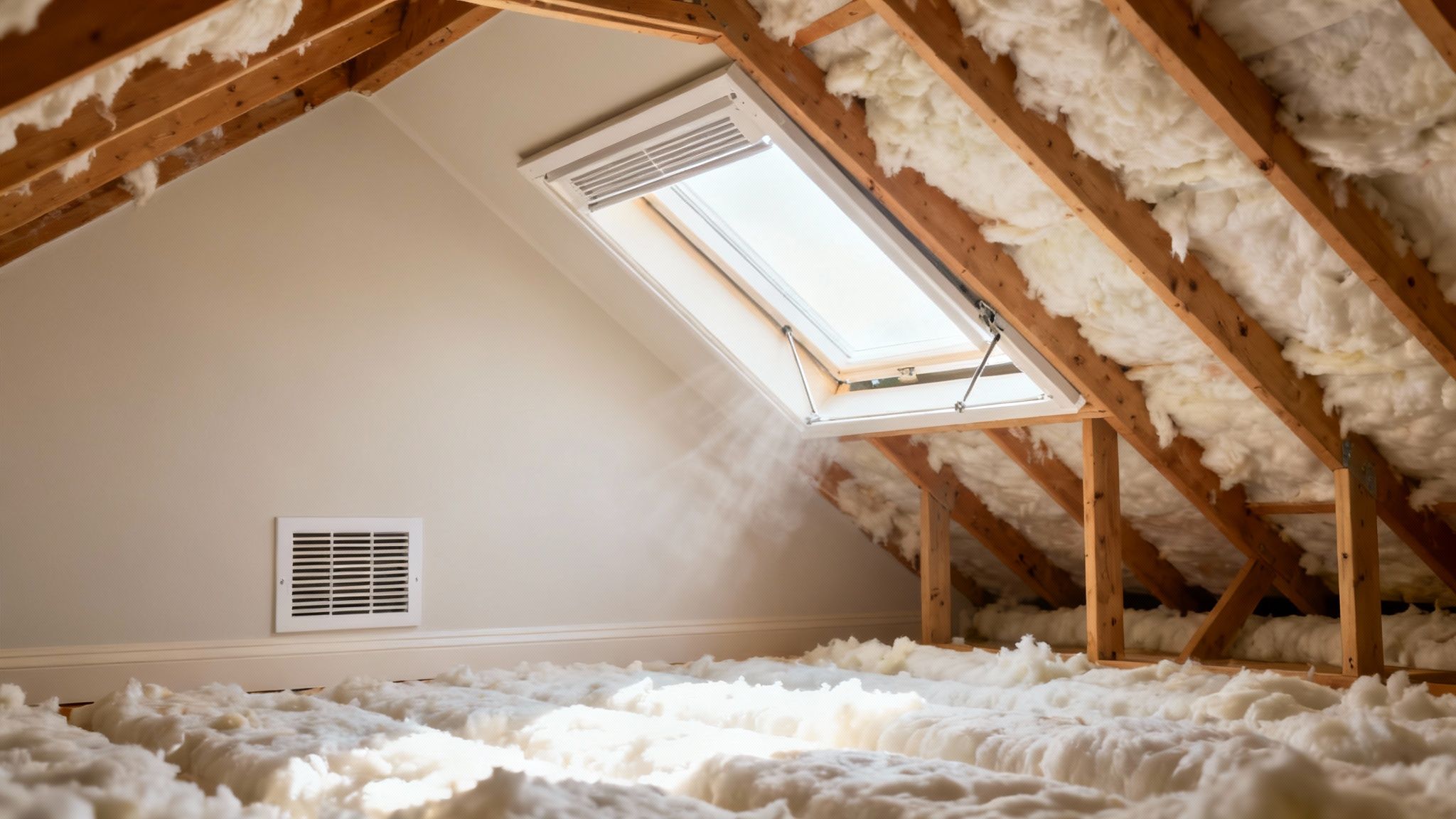
Attic Conditions and Air Quality
Attics significantly influence indoor air in Fort Lauderdale homes.
Inspectors evaluate:
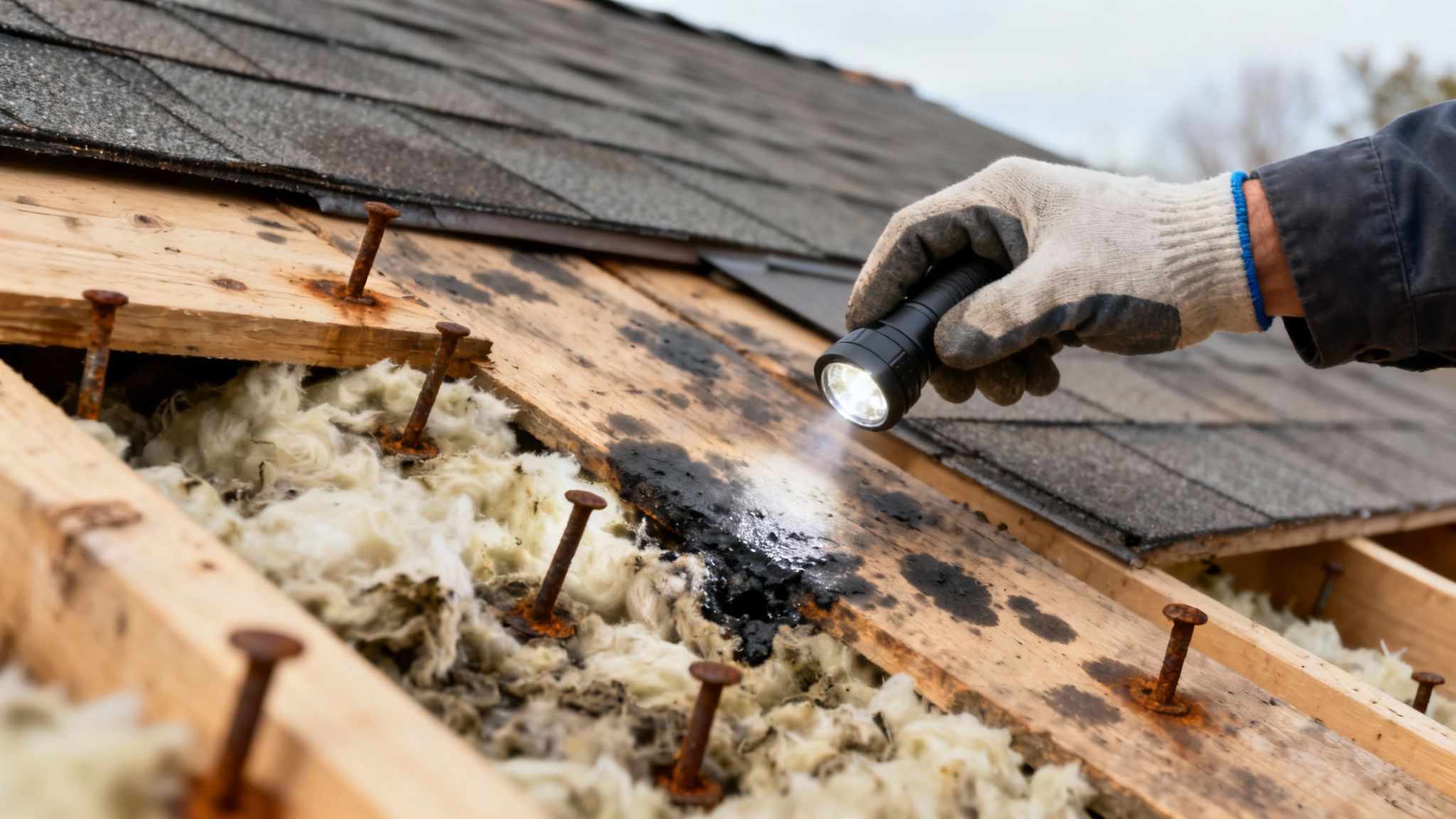
- Roof decking staining
- Insulation dampness
- Ventilation balance
- Exhaust fan termination
When attic humidity rises, air can migrate downward through small gaps.
Wind-driven rain can enter minor flashing gaps without obvious ceiling stains.
Attic moisture often contributes to IAQ imbalance.
Proper ventilation prevents future air quality problems.
The Role of Indoor Humidity
Humidity directly affects indoor air stability.
When indoor relative humidity exceeds 60%:
- Drying slows
- Surfaces remain damp longer
- Mold risk increases
- Odors intensify
Maintaining humidity between 45–55% reduces mold risk and improves overall comfort.
In Fort Lauderdale’s climate, humidity monitoring must be continuous — not seasonal.
Digital hygrometers in multiple rooms provide consistent data.
HVAC Systems and Air Circulation
HVAC systems distribute air throughout the home.
Inspectors check:
- Condensate drain lines
- Evaporator coil cleanliness
- Airflow balance
- Duct insulation
- Air handler closet moisture
Oversized AC systems may cool quickly but shut off before removing sufficient humidity.
Short cycling reduces dehumidification effectiveness.
Balanced airflow improves drying and prevents moisture buildup.
Routine HVAC maintenance is one of the most important IAQ prevention tools.
When Indoor Air Quality Testing Is Recommended
IAQ testing may be appropriate when:
- Musty odors persist
- Real estate documentation is needed
- Remediation was recently completed
- Occupants notice recurring humidity imbalance
- The source of odor is unclear
Testing provides objective measurement.
However, it must be paired with moisture evaluation to prevent recurrence.
Testing without correcting environmental imbalance offers limited long-term benefit.
Preventing Future Damage: Practical Steps
Preventing IAQ problems in Fort Lauderdale requires consistent maintenance.
Maintain Indoor Humidity Between 45–55%
Monitor year-round.
Service HVAC Systems Annually
Clear drain lines and inspect coils.
Inspect Roofs After Storm Season
Address flashing vulnerabilities promptly.
Evaluate Attic Ventilation
Ensure soffit vents remain unobstructed.
Respond Quickly to Plumbing Leaks
Dry affected areas within 24–48 hours.
Improve Airflow in Closets and Storage Areas
Avoid trapping humid air against walls.
Prevention reduces both structural damage and air quality imbalance.
Why DIY Air Testing Often Creates Confusion
Over-the-counter IAQ kits typically:
- Lack outdoor baseline comparison
- Provide limited analysis
- Do not identify moisture sources
- Offer minimal interpretation
Without environmental context, results may be misleading.
Professional testing includes proper sampling, laboratory analysis, and interpretation within local climate conditions.
Why Local Experience in Fort Lauderdale Matters
Fort Lauderdale homes often include:
- Coastal exposure to wind-driven rain
- Salt-air roof degradation
- Elevated groundwater levels
- Mixed construction styles
- Hot attic environments
Indoor air behavior in South Florida differs significantly from dry inland climates.
Professional inspection must reflect regional environmental realities.
Local expertise ensures accurate evaluation and practical prevention recommendations.
The Step-by-Step Prevention Approach
To prevent future air quality damage in Fort Lauderdale homes:
- Measure indoor humidity consistently
- Identify and correct moisture sources
- Maintain HVAC performance
- Monitor attic and roof conditions
- Perform IAQ testing when appropriate
- Verify environmental stability
Proactive monitoring prevents escalation.
When to Schedule Professional Evaluation
Consider scheduling IAQ testing or inspection if:
- Odors persist
- Humidity remains elevated
- Ceiling stains appear after storms
- AC drainage issues recur
- You are preparing to sell your property
Early evaluation protects both air quality and property value.
Calm, Practical Closing Guidance
Indoor air quality testing in Fort Lauderdale provides clarity — but lasting prevention depends on moisture control.
The correct sequence is:
- Identify environmental imbalance
- Correct moisture sources
- Verify stability through testing
- Maintain consistent humidity management
In South Florida’s humid coastal climate, moisture control determines long-term indoor air stability.
With proactive maintenance, routine inspection, and balanced HVAC performance, most IAQ concerns can be prevented before they develop into structural or air quality problems.
Prevention is always more effective than remediation.